
English| EUR
Suggested for you
More currencies
Choose a language
Parksville sits within federally regulated waters where strict approach distances and vessel protocols govern all encounters with killer whales, humpback whales, and gray whales. These rules apply equally to commercial tour operators and private boaters, with enforcement carried out by Fisheries and Oceans Canada officers year-round.
Quick answer
Whale watching rules in Parksville mandate a 200-metre minimum distance from killer whales and a 100-metre buffer for all other cetaceans, with vessels restricted to seven knots within 400 metres of any whale. No approach is permitted from the front or rear, and all watercraft must reduce speed and maintain parallel course when whales surface nearby. Violations carry fines starting at $100,000 under the Marine Mammal Regulations.
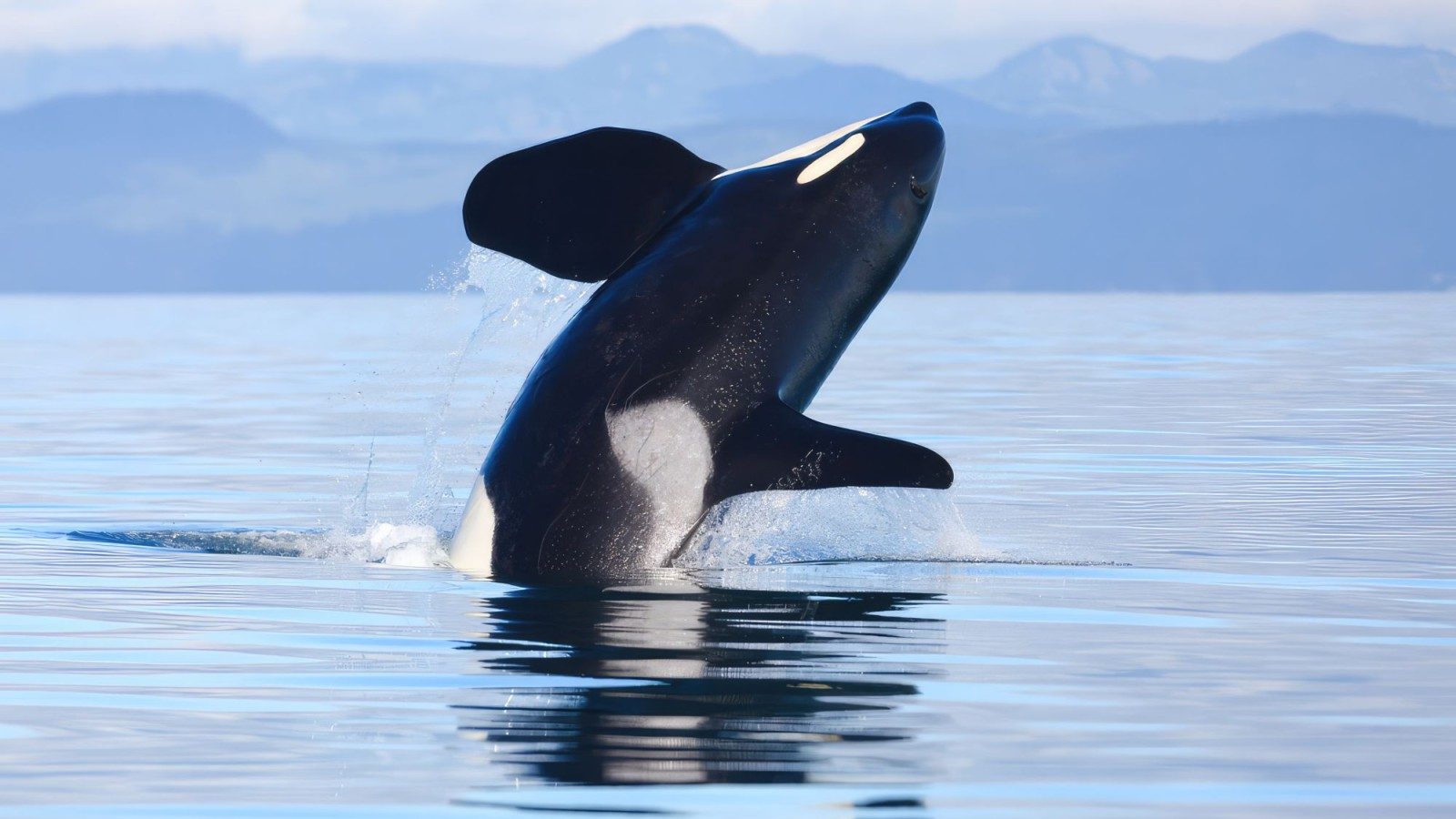
Fisheries and Oceans Canada enforces a tiered distance framework that prioritizes the Southern Resident killer whale population, now listed as endangered under the Species at Risk Act. The 200-metre exclusion zone for orcas doubles the buffer required for humpbacks, minkes, and the gray whales that migrate past Parksville each spring. Officers monitor compliance from shore stations and patrol vessels, with aerial surveillance active during peak migration windows in April and October. The seven-knot speed restriction creates a slow-pass corridor extending 400 metres in all directions from any surfacing cetacean. Boaters must place their engine in neutral if a whale surfaces within 200 metres, resuming only once the animal moves beyond that radius. The regulation prohibits positioning a vessel in the direct travel path of a whale, a rule designed to prevent bow-riding attempts and close intercepts that disrupt foraging behavior. Drones and other aircraft face a 1,000-foot vertical exclusion zone. Parksville's shore-based observation sites fall outside vessel regulations but remain subject to noise and disturbance prohibitions. Observers using binoculars from Rathtrevor Beach or the shoreline near French Creek can watch gray whales and humpbacks without triggering federal distance rules, provided they do not use amplified sound, throw objects, or attempt to feed wildlife. The distinction matters during calving season, when mothers and juveniles often travel within 500 metres of the coast. Commercial operators hold Marine Mammal Viewing licenses that layer additional requirements onto the baseline federal rules. Licensed captains complete annual training modules covering acoustic disturbance thresholds, group size limits, and the prohibition on repeat encounters with the same individual whale within a 24-hour window. The license system allows DFO to impose area closures when specific pods show signs of stress, a tool deployed three times in the Strait of Georgia during 2025. Unlicensed guides conducting paid tours face suspension of their vessel registration in addition to monetary penalties.
“The 200-metre exclusion zone for orcas doubles the buffer required for humpbacks, minkes, and the gray whales that migrate past Parksville each spring.”
Federal regulations mandate minimum distances and vessel behavior to protect marine mammals from disturbance. Observers from shore and commercial operators must follow Marine Mammal Regulations to avoid harassment charges.
The best arrival window is 00:00–23:59, as observing from land allows flexible timing while minimizing disturbance to marine mammals. Wildlife presence varies by season, though land-based observation remains accessible at all hours.
Mild temperatures (15°C–22°C)
Increased sightings of migratory orcas and humpbacks occur during these warmer months.
Cooler temperatures (5°C–12°C)
Marine mammal activity is quieter, though resident species may still be observed from the shoreline.
—
Early hours offer quieter shorelines, which helps maintain a calm environment for marine life observation.
Verdict: The optimal time for land-based observation is during the peak season from May to October, utilizing the 00:00–23:59 arrival window to maintain minimal disturbance.
Observing marine mammals from the shoreline in Parksville is free of charge. Costs associated with whale watching only apply when choosing to book a commercial boat tour.
Verdict: While land-based viewing is free, commercial tour prices vary significantly depending on the operator and excursion type.
Parksville is located on the east coast of Vancouver Island, British Columbia, Canada. Visitors typically access the area via Highway 19 or Highway 19A.
Highway 19 or 19A to Parksville
BC Transit to Parksville Transit Exchange
Observing from land allows flexible timing while minimizing disturbance to marine mammals. The best arrival window is 00:00–23:59.
Everything you need to know about whale watching rules
The primary whale watching rules require maintaining a respectful distance from all marine mammals to prevent disturbance. These regulations are designed to protect the natural behaviors of species found in British Columbia waters.
Guidelines for marine mammal viewing emphasize minimizing noise and avoiding the path of traveling pods. Observers should ensure they do not obstruct or crowd animals during their migration or feeding activities.
There is a 0 CAD entrance fee for wildlife observation from land in Parksville. While you may choose to book commercial excursions, observing from the shore requires no payment.
The best arrival window for whale spotting is 00:00–23:59, which provides maximum flexibility for your visit. Land-based observation allows you to monitor the water at your own pace without causing stress to the creatures.
Commercial operators follow federal whale watching rules to ensure sustainable interactions with local wildlife. These professional tours use specialized vessels and adhere to strict speed and proximity protocols set by governing authorities.
Yes, children are welcome to participate in viewing marine life from the shore provided they are supervised to maintain a quiet environment. This approach supports a calm atmosphere for wildlife and other observers.
The most frequent mistake is approaching the water's edge too quickly or creating loud noises that deter animals. Following established whale watching rules ensures a positive experience for both the visitors and the marine inhabitants.