
English| EUR
Suggested for you
More currencies
Choose a language
The best whale watching happens when three conditions align: calm water, good light, and active marine life. In Parksville, the time of day you choose shapes all three. This guide explains which tour windows deliver the clearest sightings and why the clock matters as much as the season.
Quick answer
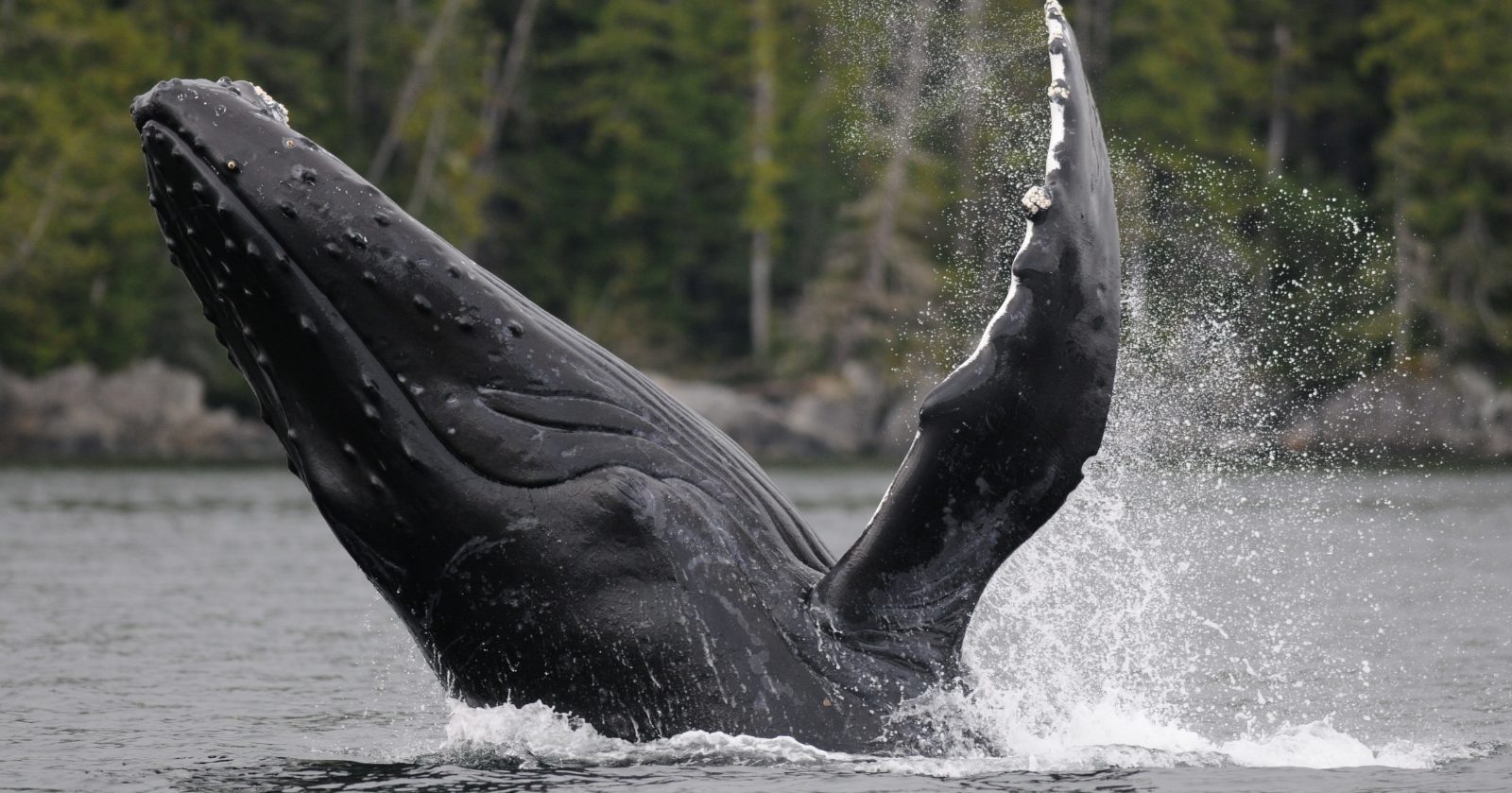
The best time of day for whale watching in Parksville is early morning, typically between 9:00 and 11:00 AM, when waters are calmest and gray whales, humpbacks, and orcas are actively feeding. Afternoon departures between 2:00 and 5:00 PM offer stronger light for photography and remain highly productive, though wind and chop increase slightly as the day progresses.
Gray whales migrate through the Strait of Georgia in predictable tidal pulses, and the time you leave the dock determines whether you meet them in flat morning glass or afternoon chop. Tours departing French Creek Marina operate daily from 9:00 AM to 6:00 PM, but what time is good for whale watching depends on what you value most: stability or light. Morning departures benefit from overnight calm. Wind has not yet built, the surface reflects little glare, and cetaceans feeding on herring and krill are easier to spot against dark water. Humpbacks lunge-feed most actively in early hours, and orcas traveling between the mainland and Vancouver Island pass through predictable corridors before midday. Photographers favor afternoon light, which warms the spray and defines dorsal fins against the horizon, but swell and wind pick up after 1:00 PM. Both windows produce sightings; the difference lies in sea state and visual contrast. Tidal exchange also governs behavior. Whales concentrate near nutrient upwellings during flood and ebb tides, when baitfish are pushed toward the surface. A tour timed to slack water may find whales resting or traveling, while one aligned with tidal movement intercepts active feeding. Experienced operators schedule departures around these cycles rather than fixed clockwork, which is why the best whale watching tour times in Parksville are those that respect both daylight and tide. The arrival window matters less than departure time, but reaching the marina thirty minutes early allows for check-in, safety briefings, and boarding without delay. Tours last three to four hours, so a 9:00 AM departure returns by early afternoon, while a 2:00 PM trip extends into golden hour. Both offer strong encounter rates; your choice hinges on whether you prioritize smooth seas or dramatic backlight.
“Whales concentrate near nutrient upwellings during flood and ebb tides, when baitfish are pushed toward the surface.”
The peak season for whale sightings in Parksville runs from April through October. Choosing your departure time involves balancing ocean conditions with lighting preferences for observation.
10°C to 18°C
Early season sightings often include transient orcas. These months offer quieter waters for vessel navigation.
18°C to 23°C
This period features high activity for humpback whales. Mid-summer provides consistent marine conditions.
—
Morning tours are typically calmer for those sensitive to motion. This window often provides the smoothest water conditions.
—
Evening light is ideal for photography. The lower sun angle enhances visibility for spotting dorsal fins and blows.
Verdict: The best opportunity for viewing occurs during morning tours between July and September when marine activity is at its highest.
Confirm your reservation and pack the right gear to stay comfortable on the water.
Everything you need to know about what time is good for whale watching
Determining what time is good for whale watching often depends on your preference for sea conditions and light. Morning tours are typically calmer, making them a popular choice for many visitors. If you are interested in photography, the evening light is ideal for capturing images of marine life. This is what time is good for whale watching if you prioritize softer lighting conditions.
While wildlife movements are unpredictable, early departures often benefit from lower winds and calmer water surfaces. Calm seas can make spotting marine mammals easier during your journey. Choosing an appropriate departure is a key factor when considering what time is good for whale watching.